1. The Reality of the Electrical Industry Today: Beyond Wires, Power, and Circuits
In the past, electrical engineers mainly dealt with circuits, control panels, lighting systems, or basic motor drives.
Today, the landscape has changed dramatically. The Fourth Industrial Revolution (Industry 4.0) is turning electricity and automation into the foundation of every smart manufacturing system—from factories and buildings to data centers and renewable energy systems.
Modern electrical engineering students are expected not only to understand how current flows but also to optimize, control, monitor, and digitize entire power systems.
To stay competitive, students must develop both solid technical knowledge and modern technology skills.
2. Fundamental Knowledge Every Electrical Student Must Have
a. Electrical Circuits & Power Systems
This is the “native language” of every electrical engineer. Whether working in residential, industrial, or energy fields, you must understand AC/DC circuits, current principles, load calculation, and protection systems.
Key study areas include:
- Electrical Circuits, Electrical Machines, Power Supply Systems, Transmission & Distribution.
- How to read and design circuit and control panel diagrams.
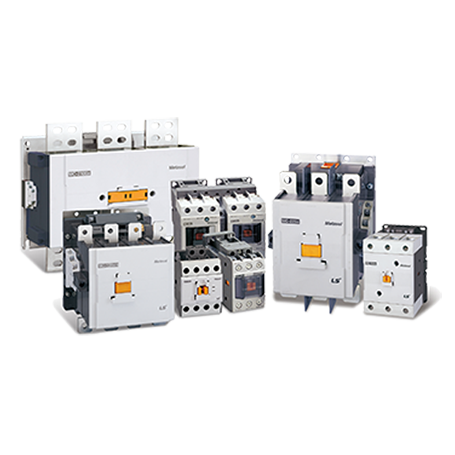
- Familiarity with core devices such as MCB, MCCB, contactors, relays, inverters, and PLCs.
b. Electrical Devices & Control Panels
Understanding the structure, operation, and standards of electrical devices is crucial for all engineers.
Students should learn about:
- Switching and protection devices (MCB, MCCB, ELCB, ACB).
- Control devices (contactors, relays, timers).
- Measurement and monitoring equipment and how to coordinate them in low-voltage panels.
💡 Tip: Explore electrical devices from LS ELECTRIC, widely used across residential and industrial sectors for their reliability, compact design, and IEC-certified quality.
3. Modern Technologies – The Key to Becoming an Engineer 4.0
a. Automation & PLC Programming
Modern factories rely on automation systems integrating PLC, HMI, and SCADA.
Students should become familiar with:
- PLC programming languages (Ladder, Function Block, Structured Text).
- Connecting sensors, relays, and contactors in control models.
- Designing HMI interfaces and operating SCADA systems.
LS ELECTRIC offers user-friendly PLCs and HMIs—ideal for students practicing industrial process simulation.
b. Renewable Energy & Energy Storage Systems (ESS)
The future of electricity is tied to clean energy—solar, wind, and Energy Storage Systems (ESS).
Students should understand:
- The principles of inverters and battery systems.
- Grid connection, energy monitoring, and performance evaluation.
- Concepts like RE100, Net Zero, and ESG, which are driving the transformation of modern energy companies.
c. IoT & Data Connectivity in Electrical Systems
In the era of smart industries, every device can “talk” to another.
Electrical engineers must grasp IoT (Internet of Things), communication protocols (Modbus, Ethernet, MQTT), and cloud-based monitoring.
This knowledge enables engineers to work with Smart Factory and Smart Grid solutions—technologies strongly developed by LS ELECTRIC in Vietnam.
4. Practical Skills & Electrical Safety – The Foundation of a Professional Engineer
a. Hands-on Experience and Testing
Many students excel in theory but struggle with real cables.
Start practicing early:
- Design and assemble small control panels.
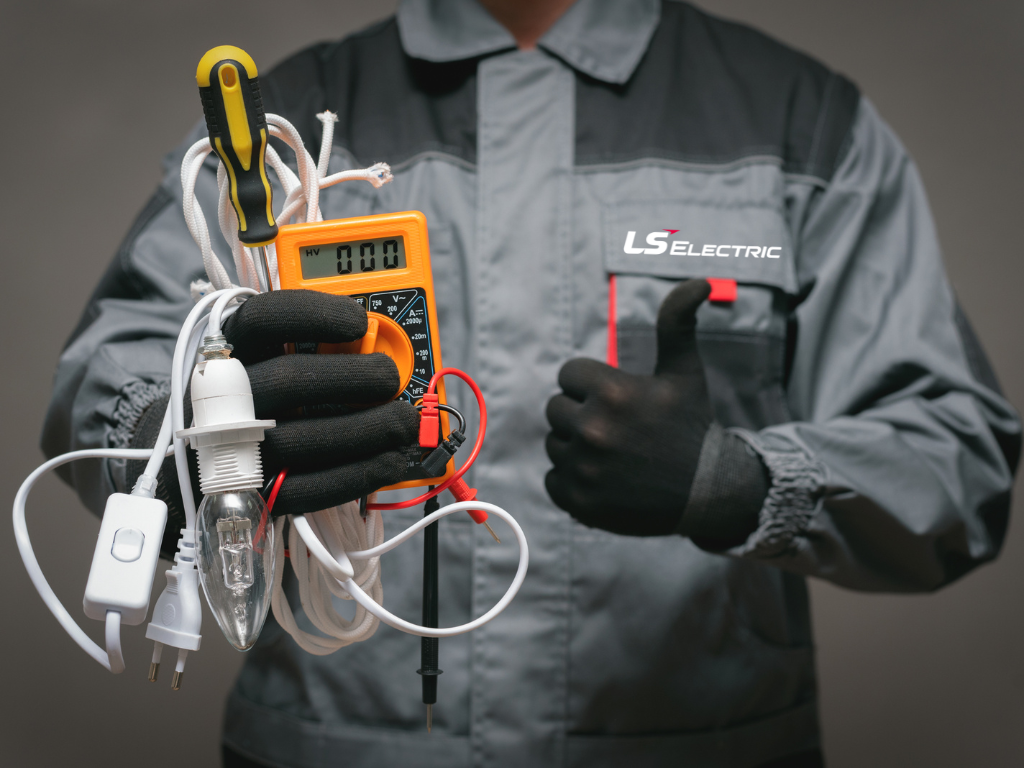
- Use multimeters, clamp meters, and insulation testers properly.
- Join laboratories or internships to handle real-world electrical systems.
b. Electrical Safety & Technical Standards
A great engineer protects both people and systems.
Master safety codes, IEC and ISO standards, wiring procedures, insulation testing, grounding, and troubleshooting methods.
In industrial environments, understanding IP ratings, short-circuit capacity, and the LOTO (Lockout–Tagout) procedure is critical.
5. Foreign Language & Soft Skills – Your Strongest Advantage
In most technical companies, key materials are written in English.
Electrical students should:
- Learn technical vocabulary in power systems and automation.
- Practice reading datasheets, catalogs, and wiring diagrams in English.
- Improve presentation and report-writing skills.
Soft skills like teamwork, communication, logical thinking, and quick adaptation to new technologies help you stand out from engineers who only focus on technical tasks.
6. Career Paths for Electrical Engineering Students
Depending on your abilities and interests, you can pursue different directions:
- Electrical Design & Panel Engineer: Work with power distribution systems, MCC panels, and PLC integration.
- Maintenance & Operation Engineer: Ensure stable operation for industrial systems and production lines.
- Automation Engineer: Design and program PLCs, and monitor SCADA systems.
- Renewable Energy Specialist: Design, install, and manage solar and ESS systems.
- Smart Energy / Smart Factory Specialist: Develop IoT-based energy monitoring and optimization systems.
7. Where to Start to Upgrade Yourself
- Practice early and often. Don’t wait until graduation to learn PLCs or panel design.
- Join technical skill courses: electrical design, PLC programming, solar system design, or AutoCAD Electrical.
- Follow leading industrial brands like LS ELECTRIC, Siemens, Schneider, ABB, etc., to stay updated with the latest innovations.
- Engage in electrical engineering communities in Vietnam to exchange ideas and discover career opportunities.
The electrical field today is not just a “technical job” — it’s the foundation of every modern technology.
Electrical engineering students must stay curious, embrace challenges, and expand their knowledge in automation, renewable energy, and smart technologies.
With strong preparation today, you can confidently work in any factory, project, or technology company tomorrow.
LS ELECTRIC Vietnam hopes this article helps electrical students gain better career direction and motivation to keep learning.